Hull Design & Buoyancy
Hydrodynamic Drag Parameters
The primary challenge in seaplane engineering is overcoming immense hydrodynamic drag. Water is nearly 800 times denser than air. A standard float resting in water operates in a displacement regime. To achieve flight, the aircraft must transition to a planing regime, skimming the surface.
This transition requires immense thrust to push the hull over its bow wave, a phase known as "getting on the step." The deadrise angle (the V-shape of the hull bottom) is a compromise: a sharp V reduces landing shock but requires more horsepower to plane; a flat bottom planes easily but delivers punishing impacts upon landing.
The Transverse Step
Breaking Suction
Without a transverse step, water flows smoothly along the aft hull, creating negative pressure (suction) that glues the aircraft to the surface. The step introduces a sharp break, allowing air to ventilate the aft hull and detaching the water flow.
Alclad vs. Composites
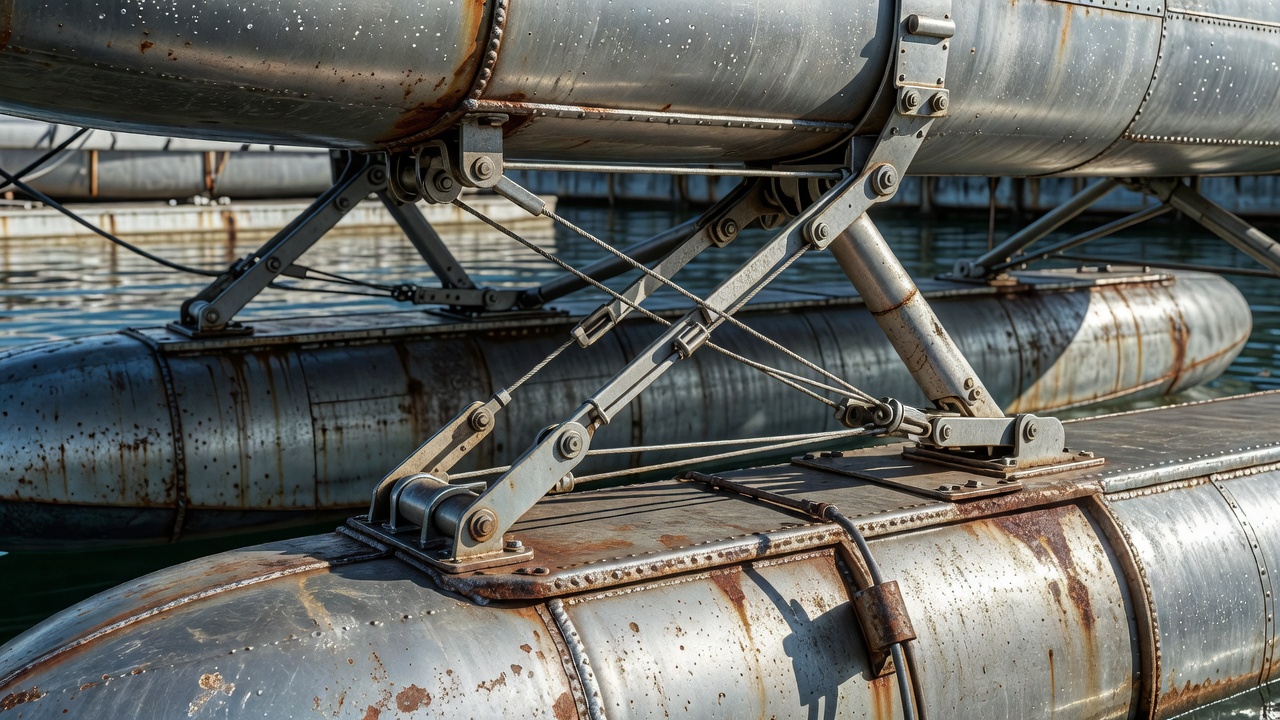
Traditional floats utilize compartmentalized Alclad 2024-T3 aluminum. It is durable and repairable in the field with standard riveting. Modern Aerocet floats utilize carbon fiber/Kevlar composites, eliminating seams and rivets, reducing drag by 10% and eliminating galvanic corrosion concerns.
Buoyancy Certification Standards
Under FAA FAR Part 23 regulations, floats must provide an excess buoyancy of 80% over the maximum gross weight of the aircraft. Furthermore, they must be compartmentalized so that the aircraft remains afloat with any two adjacent compartments flooded.